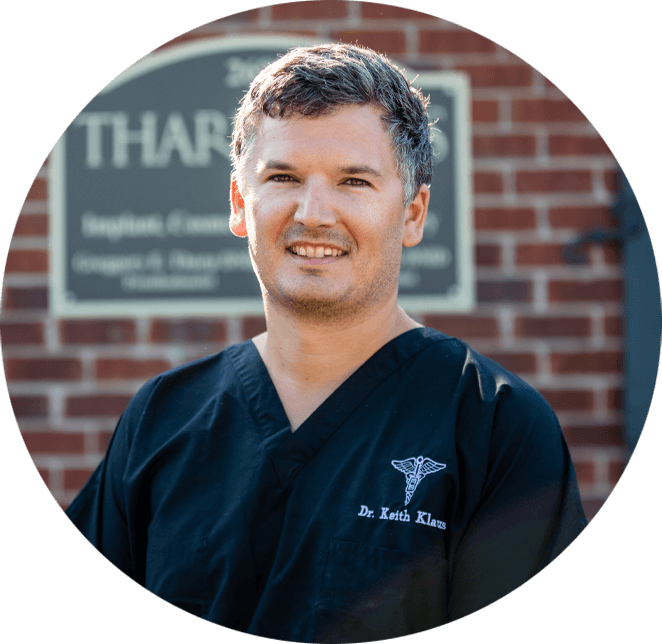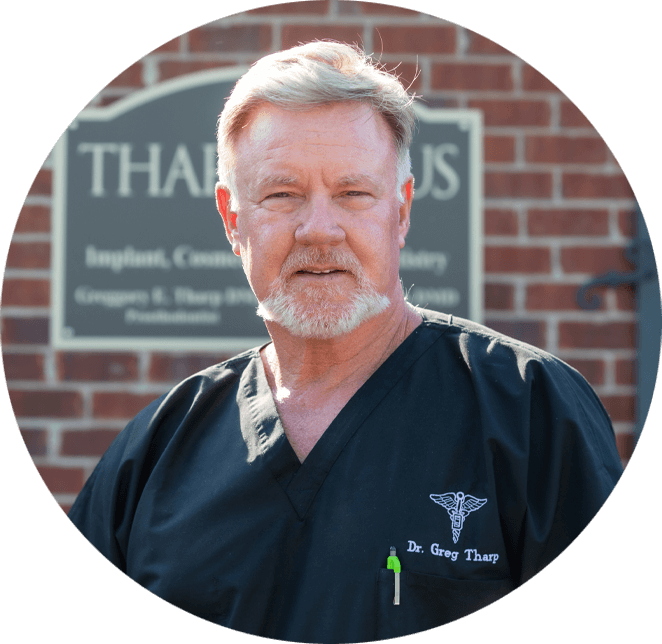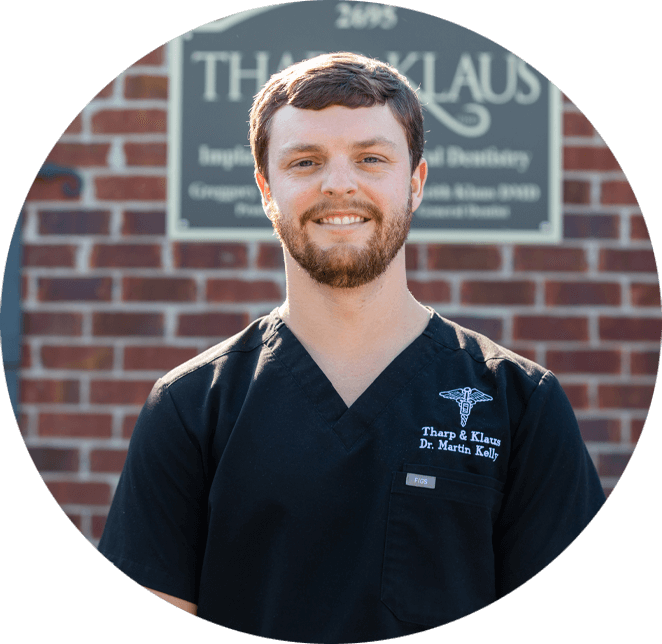
At Tharp, Klaus, & Kelly Dental Clinic, we know the words “tooth extraction” can feel unsettling. But for many patients, removing a damaged, infected, or overcrowded tooth is the first step toward real relief and better long-term oral health. Our dental team in Flowood has spent decades making this common procedure as comfortable and stress-free as possible.
We take time to explain every step before we begin. You’ll know what to expect, what you’ll feel, and exactly how we’ll support you through healing. That matters to us.
If you’re in pain or have questions about a tooth that may need to come out, don’t wait. Call Tharp, Klaus, & Kelly Dental Clinic today and let’s figure out the right path forward together. We proudly serve patients from Flowood and the surrounding communities of Jackson, Brandon, and Ridgeland, MS. Call us now at 601-939-4100 to schedule your consultation.

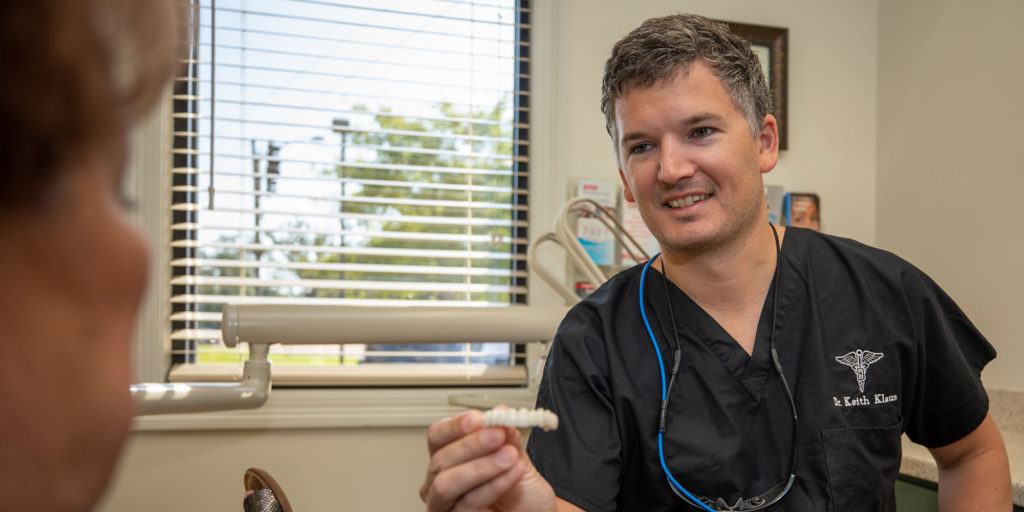
At Tharp, Klaus, & Kelly, our Flowood team is capable of handling every facet of your dental care. Here’s what sets our practice apart from the rest.
Advanced diagnostic imaging. We use cone-beam computed tomography (CBCT) and intraoral scanners to see exactly what’s happening before we touch a thing.
Specialists on staff. Our dentists have advanced training in prosthodontics, implant dentistry, and oral surgery — so if your extraction leads to implant placement, you’re already in the right place.
Transparent treatment planning. We walk you through your diagnosis and options before any procedure begins. No surprises.
Replacement planning from day one. We think about what comes after extraction — bridges, implants, or partial dentures — so your smile stays complete.
A tooth extraction is the removal of a tooth from its socket in the jawbone. It’s one of the most commonly performed dental procedures and is typically recommended when a tooth is too damaged, decayed, or problematic to save through other treatments. Simple extractions are performed on visible teeth using local anesthesia. Surgical extractions are used for teeth that are broken below the gumline or haven’t fully erupted, such as wisdom teeth. Both are routine, safe, and manageable with proper care.
The right approach depends on your tooth’s condition and position. Here’s what you need to know.
The tooth is visible above the gum and can be loosened and removed with dental instruments, done under local anesthesia in one short visit.
Used for impacted, broken, or partially erupted teeth. A small incision is made in the gum to access the tooth. Common for wisdom teeth removal.
Third molars often lack room to grow properly. Removing them prevents crowding, infection, and damage to neighboring teeth.
When severe infection or trauma requires immediate action, we prioritize same-day or next-day emergency dental care to relieve pain fast.
Keeping a tooth that’s beyond saving can cause more harm than removing it. Done at the right time, extraction delivers real, lasting benefits.
Most adults with a problematic tooth are candidates for extraction. You may be a good fit if you have:
A tooth with decay so extensive that a dental crown or root canal is no longer viable
A cracked tooth that extends below the gumline and cannot be restored
A severely infected tooth that hasn’t responded to antibiotics or root canal therapy
Impacted wisdom teeth causing pain, swelling, or repeated infections
Overcrowding that’s preventing orthodontic treatment from moving forward
A baby tooth that has failed to fall out on its own, blocking the permanent tooth beneath

Every extraction at Tharp, Klaus, & Kelly Dental Clinic follows a careful, patient-centered process. Here’s exactly what to expect.
We take digital X-rays or a CBCT scan to assess the tooth’s root structure, surrounding bone, and nearby nerves. This tells us which type of extraction is needed before we proceed.
We explain findings in plain language. You’ll understand your options, the procedure itself, estimated recovery time, and what tooth replacement might look like afterward.
Once the tooth is out, the socket is cleaned, and gauze is placed to help a blood clot form. This clot is essential for healing — we’ll explain exactly how to protect it.
You leave with written post-op instructions and a direct contact number for questions. A follow-up appointment is scheduled to confirm healing is on track.
Healing well after an extraction is straightforward when you follow a few simple guidelines.
Contact us immediately if you experience severe pain after day three, fever, or unusual discharge.
The cost of a tooth extraction in Flowood varies based on the complexity of the procedure and which tooth is involved. Simple extractions are typically more affordable, while surgical or wisdom tooth removals involve additional steps and therefore a higher fee. Our team reviews your specific situation before quoting any cost.
Simple extractions generally range from $150–$300 per tooth
Surgical extractions typically range from $250–$600 depending on difficulty
Wisdom teeth may range higher based on the impaction level and whether sedation is used
Most dental insurance plans cover extractions partially or in full — we’ll verify your benefits before your appointment
Financing options are available through our office for patients who prefer to spread payments over time

Extraction is recommended only when saving the tooth is no longer realistic or practical. Before recommending removal, our dentists always evaluate whether a crown, root canal, or other restorative option could preserve the tooth. When extraction is the right call, we also discuss replacement options right away — leaving an empty socket long-term can cause bone loss and shifting of neighboring teeth.
Root canal therapy: Removes infected pulp and saves the tooth structure when decay hasn’t gone too far
Dental crown: Caps and protects a cracked or weakened tooth that still has a viable root
Periodontal treatment: In some cases of gum disease, deep cleaning can stabilize a tooth before extraction becomes necessary
You’ll receive local anesthesia before the procedure, so you should feel pressure and movement but not pain. Most patients are surprised by how manageable it is. Post-procedure soreness is normal and usually well-controlled with over-the-counter pain relievers.
Most patients feel significantly better within two to three days. Full soft tissue healing typically takes one to two weeks. The underlying bone continues to fill in over several months, which is why timely tooth replacement matters.
Dry socket occurs when the blood clot that forms after extraction is lost too early, exposing the underlying bone. Avoid straws, smoking, and forceful rinsing for the first 24–48 hours. If you develop worsening pain around day three, call us. Dry socket can be easily treated.
Stick to soft foods for the first few days. Avoid anything crunchy, chewy, or very hot near the extraction site. As healing progresses, you can gradually reintroduce normal foods over the first week.
In most cases, yes. Leaving a gap in your smile can cause neighboring teeth to drift and lead to bone loss in the jaw. We’ll discuss implants, bridges, or partial dentures with you at the time of your extraction so you have a complete plan.
Many patients return to desk work the following day. If your job involves physical labor, plan for at least a day or two of rest. Your comfort and healing always come first. We’ll give you a realistic timeline based on your specific procedure.
Yes. For patients with dental anxiety or those undergoing more complex surgical extractions, we offer sedation options to keep you comfortable throughout the procedure. Ask our team about what’s available when you call to schedule.
Tooth extraction can be a vital step toward restoring your oral health and alleviating pain. By choosing Tharp, Klaus, & Kelly Dental Clinic, you benefit from a comprehensive, patient-centered approach that prioritizes your comfort and long-term well-being. If you’re experiencing dental issues or have questions about the extraction process, don’t hesitate to reach out for a consultation. Call our Flowood dental clinic at 601-939-4100. Take the first step toward a healthier smile by contacting us today.
I understand the information disclosed in this form may be subject to re-disclosure and may no longer be protected by HIPAA privacy regulations and the HITECH Act.